
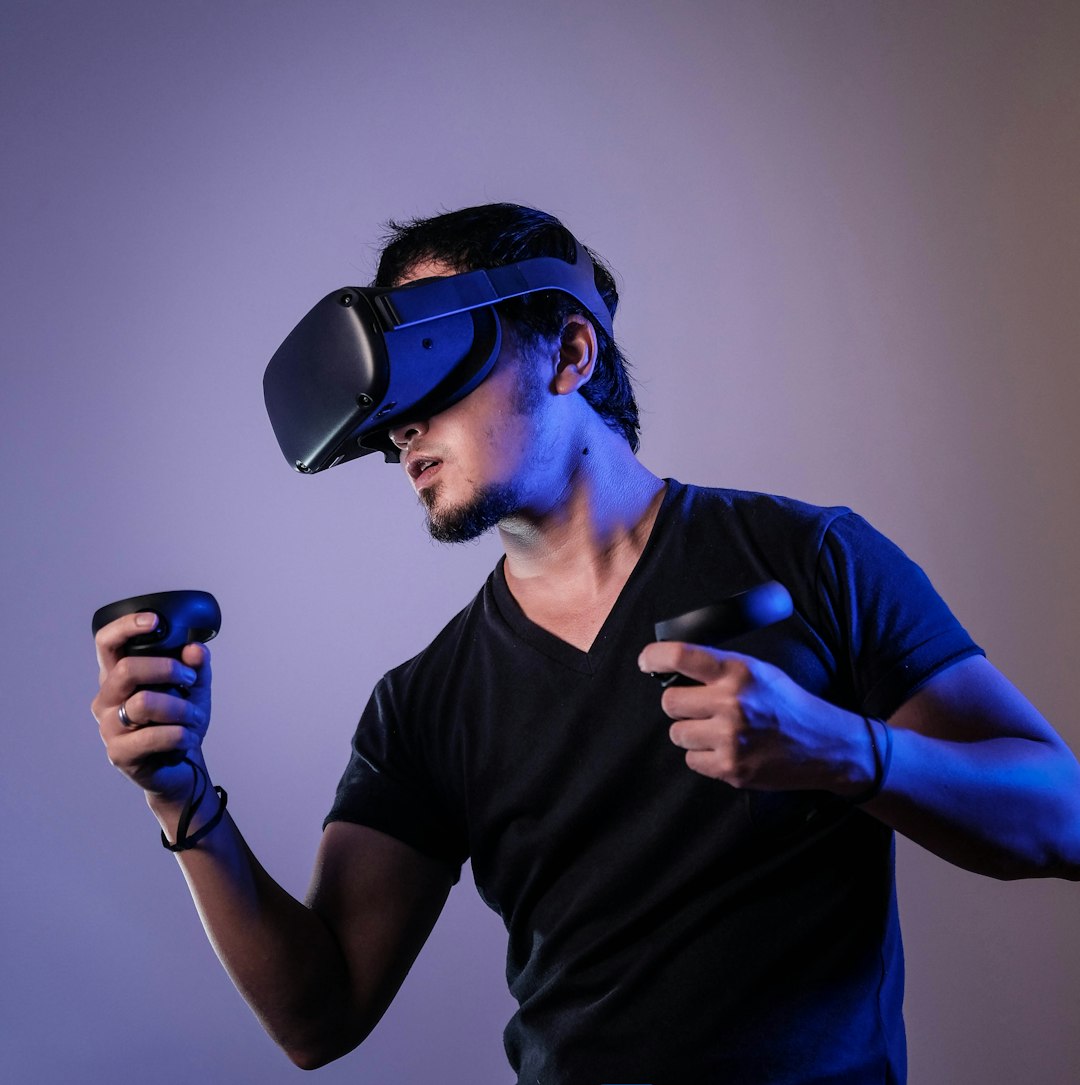
The Rise of Virtual Reality in Social Media for 2026
As we approach 2026, Virtual Reality (VR) is revolutionizing how we interact on social media platforms. From virtual meetups to immersive shopping experiences, VR is reshaping our digital social landscape in ways we never imagined. Let’s explore how this technology is transforming social connections and what it means for businesses and users alike.
Understanding VR’s Integration in Social Media
Virtual Reality has evolved from a gaming-centric technology to a cornerstone of social media interaction. Platforms like Meta have invested heavily in creating immersive social spaces where users can interact in three-dimensional environments.
Key Components of Social VR
- Advanced VR headsets like the Meta Quest Pro
- Haptic feedback technology for realistic touch sensations
- Social spaces and virtual environments
- Avatar customization systems
Virtual Social Spaces and Communities
Social platforms now offer virtual spaces where users can gather, interact, and share experiences. These spaces range from casual hangout areas to professional networking venues.
Popular Virtual Meeting Spaces
Leading platforms have created dedicated virtual environments:
- Meta Horizon Worlds for social gatherings
- Spatial for professional meetings
- Virtual concert venues and entertainment spaces
Commerce and Marketing in Virtual Reality
Virtual Reality has transformed social commerce, creating immersive shopping experiences where users can interact with products in 3D space.
Virtual Shopping Features
- Virtual try-ons for clothing and accessories
- 3D product demonstrations
- Interactive virtual showrooms
- Social shopping with friends in VR
Educational and Professional Applications
VR social platforms have become essential tools for education and professional development.
Learning and Training in VR
- Virtual classrooms and workshops
- Professional skill development programs
- Interactive training simulations
- Global collaboration spaces
Privacy and Security Considerations
With the rise of VR social media, privacy and security have become paramount concerns.
Security Measures
- Advanced encryption protocols
- Identity verification systems
- Personal space protection features
- Data privacy controls
The Future of Social VR
Looking ahead, VR social media continues to evolve with emerging technologies and user demands.
Upcoming Developments
- Advanced haptic feedback systems
- Improved avatar realism
- Enhanced social interaction features
- Cross-platform compatibility
Key Takeaways
- VR is fundamentally changing how we interact on social media platforms
- Virtual commerce and education are becoming increasingly immersive
- Privacy and security remain crucial considerations in VR social spaces
- The future of social VR holds promising developments in user experience and functionality