
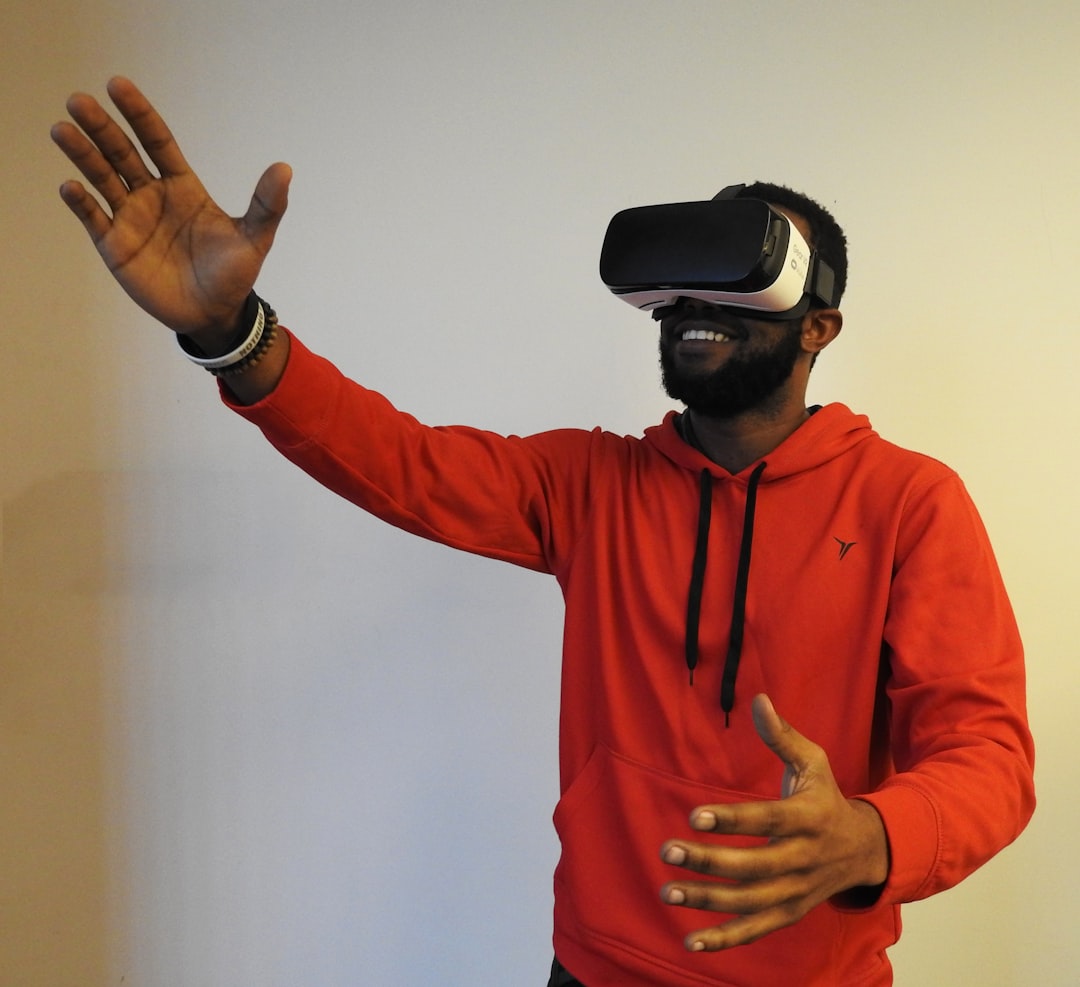
The Rise of Metaverse: Social Media’s New Frontier in 2026
The metaverse is revolutionizing how we connect, interact, and share experiences online. As we approach 2026, this digital frontier is reshaping social media platforms into immersive 3D worlds where virtual and physical realities converge. Let’s explore how this transformation is unfolding and what it means for users, businesses, and society at large.
Understanding the Metaverse in 2026
The metaverse has evolved from a buzzword to a tangible digital ecosystem where people work, socialize, and play. Major platforms like Meta and Microsoft Mesh have created interconnected virtual worlds that feel increasingly real thanks to advanced VR technology.
Key Components of the Modern Metaverse
- Persistent 3D environments
- Digital avatars with realistic expressions
- Virtual economy powered by cryptocurrency and NFTs
- Cross-platform compatibility
- Real-time social interactions
Social Media’s Evolution in the Metaverse
Traditional social networks have transformed into immersive social spaces. Users now meet in virtual cafes, attend concerts, and participate in group activities using devices like the Meta Quest and PlayStation VR2.
New Social Interaction Paradigms
- Virtual hangout spaces
- 3D photo and video sharing
- Holographic messaging
- Collaborative virtual environments
Business and Marketing in the Metaverse
Brands are creating immersive experiences using platforms like Roblox and Decentraland. Virtual stores, product launches, and interactive advertisements have become standard marketing strategies.
Virtual Commerce Trends
- Digital fashion and accessories
- Virtual real estate
- Immersive brand experiences
- Virtual influencer marketing
Privacy and Security Considerations
As the metaverse grows, so do concerns about data protection and digital safety. Users are encouraged to use security tools like NordVPN and implement strong authentication measures.
Key Security Measures
- Biometric authentication
- Encrypted communications
- Digital identity protection
- Content moderation systems
Technical Requirements and Accessibility
Participating in the metaverse requires specific hardware and software. Popular options include VR headsets and high-performance computing devices.
Essential Equipment
- VR/AR headsets
- Haptic feedback devices
- High-speed internet connection
- Compatible smartphones or computers
The Future of Social Connections
The metaverse is breaking down geographical barriers and creating new ways for people to connect. Virtual events, education, and social gatherings are becoming increasingly sophisticated and meaningful.
Key Takeaways
- The metaverse has transformed social media into immersive 3D environments where virtual and physical realities merge
- Businesses are leveraging virtual spaces for marketing and commerce, creating new economic opportunities
- Privacy and security remain crucial considerations as the metaverse continues to evolve
- Accessible technology and infrastructure are essential for widespread metaverse adoption