
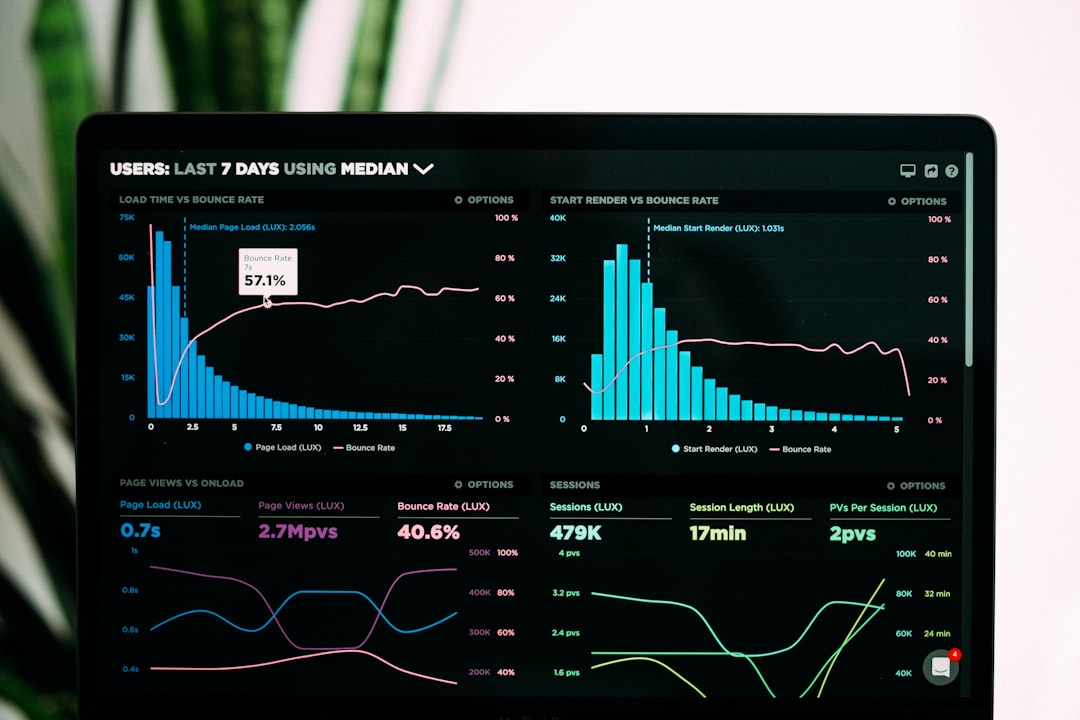
Bluesky Analytics: Track & Grow Your Account in 2026
If you’re serious about growing on Bluesky, guessing isn’t a strategy — Bluesky analytics are. Understanding what’s working, what’s flopping, and who actually engages with your content is the difference between grinding forever and scaling with precision. In this guide, we break down exactly how to track your Bluesky analytics, which metrics matter, and the best tools to make sense of your data in 2026.
Why Bluesky Analytics Matter More Than Ever in 2026
Bluesky has grown explosively, crossing 30 million active users and continuing to pull creators away from X (formerly Twitter). With that growth comes increased competition — simply posting consistently is no longer enough. Bluesky analytics let you understand your audience deeply, identify your highest-performing content, and double down on what drives actual followers and engagement.
Unlike Instagram or TikTok, Bluesky’s open protocol (AT Protocol) means third-party analytics tools can plug directly into the network’s data. This gives creators access to granular insights that many closed platforms don’t expose. But you need to know which tools to use and which numbers to watch.
Key Bluesky Analytics Metrics to Track
Before diving into tools, let’s establish what Bluesky analytics you should actually care about:
- Follower growth rate — Are you gaining followers consistently, or seeing spikes after specific posts?
- Engagement rate — Likes, reposts, and replies divided by impressions. On Bluesky, 3-6% is solid.
- Impressions per post — How many accounts your posts are reaching via feeds and the algorithm.
- Reply-to-like ratio — High replies signal genuine conversation, which the Bluesky algorithm rewards.
- Best posting times — When your audience is most active (often morning UTC for global creators).
- Top-performing content formats — Text posts vs. images vs. threads — what resonates most with your niche?
- Click-through rate on links — If you share external links, how many people actually click?
These Bluesky analytics data points paint a clear picture of your content strategy’s health and guide your next moves.
Best Tools for Bluesky Analytics in 2026
Here’s the current landscape of tools built specifically for tracking your Bluesky analytics:
1. Clearsky.social
Clearsky is one of the most popular free tools for basic Bluesky analytics. It shows follower/following counts, block lists, and historical growth curves. It’s not deep, but it’s a great starting point to visualize your momentum without paying anything.
2. Blueview
Blueview offers post-level analytics including impressions, engagement rate, and reach breakdowns. It connects via your Bluesky credentials and gives a clean dashboard that mimics what you’d expect from Twitter Analytics. Ideal for individual creators who want more than vanity metrics.
3. Skystats
Skystats goes deeper with weekly and monthly trend reports, best-post leaderboards, and audience timezone analysis. If you’re posting for a specific geography, this Bluesky analytics tool is invaluable for timing optimization.
4. Deck.blue (with Analytics tab)
Deck.blue started as a TweetDeck-style scheduler for Bluesky but added a built-in analytics tab. It’s great if you’re managing multiple accounts or want a scheduling + analytics combo in one place. The AI content tools you’re likely already using pair well with Deck.blue’s data.
5. Custom AT Protocol Queries
For developers or data-savvy creators, Bluesky’s open AT Protocol allows you to query your own feed data using public APIs. You can build custom dashboards in Notion, Airtable, or even Google Sheets by pulling raw post engagement data. This is the most powerful Bluesky analytics method — and completely free.
How to Use Bluesky Analytics to Grow Faster
Having data is one thing. Knowing how to act on your Bluesky analytics is another. Here’s a practical framework:
The Weekly Content Audit
Every Monday, review your top 5 posts from the previous week. Ask: What format were they? What time did I post? What topic? Look for patterns. If your « hot takes » consistently outperform your « how-to » threads, lean into opinions. If visual posts get 2x more reposts, invest in simple graphics.
Follower Growth Benchmarks
New Bluesky creators often panic when follower growth stalls. Use your Bluesky analytics to contextualize the numbers. Growing 50-100 followers per week organically while maintaining 4%+ engagement is healthy. Chasing follower counts while engagement tanks is a red flag — the algorithm deprioritizes low-engagement accounts. Consistency over virality wins long-term on Bluesky.
Optimize Your Posting Schedule
Most Bluesky analytics tools show you when your followers are online. Match your posting schedule to those windows. For English-speaking audiences, 8-10 AM EST and 6-8 PM EST tend to perform well. But your specific audience may differ — let your data tell you, not general advice. This connects directly to your broader Bluesky engagement strategies.
Common Bluesky Analytics Mistakes to Avoid
Even seasoned creators fall into these traps when analyzing their Bluesky performance:
- Obsessing over follower count — Engagement rate is a far stronger signal than raw followers.
- Ignoring reply depth — A post with 2 replies that spawned a 20-reply thread means more than 50 shallow likes.
- Comparing yourself to mega-accounts — Benchmark against accounts in your exact niche and size range, not creators with 100K+ followers.
- Not tracking link clicks — If you’re driving traffic to a blog, newsletter, or product, use UTM parameters and check Bluesky analytics against your site’s traffic data.
- Reviewing data too infrequently — Weekly reviews beat monthly deep-dives for staying responsive to algorithm shifts.
Bluesky Analytics for Brand Accounts
If you’re managing a brand on Bluesky rather than a personal account, your Bluesky analytics priorities shift slightly. Focus on:
- Mention monitoring — Track when users tag your brand organically. This signals organic reach and word-of-mouth.
- Sentiment in replies — Are people responding positively, neutrally, or negatively to branded posts?
- Custom Feed visibility — Are your posts appearing in relevant custom feeds that attract your target audience? If not, adjust your keywords and hashtag strategy.
- Share of voice — How often does your brand appear in conversations about your industry on Bluesky vs. competitors?
Brands that actively leverage Bluesky custom feeds and track their analytics rigorously are already outpacing those who treat Bluesky as a secondary channel afterthought.
The Future of Bluesky Analytics
Because Bluesky runs on the open AT Protocol, the analytics ecosystem is evolving rapidly. Expect to see more sophisticated AI-powered insights, competitive benchmarking tools, and even monetization analytics (especially as Bluesky rolls out creator monetization features in 2026). The open architecture means you’ll always have more data transparency here than on walled gardens like Instagram or LinkedIn.
Investing time now in understanding your Bluesky analytics sets you up to capitalize on every future feature rollout. Creators who understand their data today will be the ones positioned to grow fastest when the platform scales to 100M+ users.
Conclusion
Tracking your Bluesky analytics isn’t optional if you’re serious about growing — it’s the foundation of every smart content decision you’ll make. Start with free tools like Clearsky or Blueview, build a habit of weekly content audits, and let data guide your posting strategy. The creators winning on Bluesky in 2026 aren’t the ones posting the most — they’re the ones posting the smartest, backed by real Bluesky analytics insights.