
How to Schedule Posts on Bluesky: Best Tools & Strategies for 2026
Scheduling posts on Bluesky has become one of the most strategic moves any creator or brand can make in 2026. The platform now counts over 40 million active users and its chronological feed system means that timing is everything — publish when your audience is scrolling, or risk being buried under a wave of newer posts. In this guide, we break down the best tools and strategies to schedule your Bluesky content and maintain a consistent, high-performing presence.
Why Scheduling on Bluesky Is Different From Other Platforms
Unlike Instagram or LinkedIn, which use engagement-weighted algorithms, Bluesky’s default feed is largely chronological and user-curated. This changes the game for scheduling. On Bluesky, posting at the right time isn’t a nice-to-have — it’s a core performance variable. If your followers are most active between 8am and 10am EST, a post published at 3pm will get a fraction of the visibility it deserves.
Another key difference is Bluesky’s 300-character limit per post, which pushes creators toward threads for longer content. The best scheduling tools in 2026 support native thread creation and publishing, not just single posts. If your tool doesn’t handle threads properly, you’re leaving your best content half-delivered.
Bluesky also lacks a native built-in scheduling feature inside its app — meaning third-party tools aren’t a workaround, they’re the only path to a structured content calendar.
Top Tools to Schedule Bluesky Posts in 2026
Several platforms have matured significantly and now offer reliable, full-featured Bluesky scheduling:
Buffer was one of the first major tools to integrate Bluesky support. It handles single posts, threads, and multi-image attachments. Its queue system is intuitive, and the team collaboration features make it ideal for small brands managing their Bluesky presence. Buffer’s analytics tab also shows you engagement per time slot, which helps you refine your posting windows over time.
Schedulala has become the go-to for solo creators and small businesses. It’s purpose-built for Bluesky, meaning it accounts for the platform’s quirks — like thread ordering and AT Protocol specifics — more naturally than tools that added Bluesky as a secondary integration. Most small accounts will find Schedulala the easiest starting point.
Sprout Social is the enterprise choice. Its Optimal Send Times feature analyzes your audience’s historical engagement patterns and suggests the windows with the highest predicted visibility. For brands posting across multiple social networks, Sprout’s unified composer makes cross-platform scheduling efficient without losing Bluesky-specific controls like alt text and thread sequencing.
Typefully started as a Twitter thread tool and has adapted well to Bluesky’s similar thread model. If your content strategy leans heavily on long-form threads — think tutorials, story breakdowns, or topic deep-dives — Typefully’s writing experience is the most fluid of any tool currently available.
Fedica stands out for creators who want scheduling paired with deep audience analytics. It tracks follower growth, engagement rates per post type, and best-time heatmaps specific to your account — all without leaving the platform.
The Best Strategies for Bluesky Scheduling in 2026
Having the right tool is only half the equation. The other half is a posting strategy that aligns with how Bluesky’s feeds actually work.
Post consistently, not just frequently. Bluesky’s feed algorithms in 2026 reward accounts that maintain regular posting patterns. Publishing three to five times per week at similar time windows builds a rhythm that the platform recognizes — and your followers come to expect. Sporadic bursts followed by silence train neither the algorithm nor your audience to engage.
Identify your peak windows, then own them. Use your scheduling tool’s analytics to find the 1-2 time slots when your specific audience is most active. Then lock in those slots on your content calendar. For most English-language Bluesky accounts in 2026, peak windows cluster around 8-10am EST and 6-8pm EST on weekdays — but your niche audience may behave differently.
Batch your content creation. The biggest efficiency gain from scheduling isn’t just timing — it’s batching. Writing one week’s worth of posts in a single 90-minute session, then scheduling them to drip out over seven days, frees you from the daily pressure of « what do I post today? » and dramatically improves content quality. Scheduled posts are more deliberate, better structured, and more aligned with your overall strategy than reactive on-the-spot publishing.
Use threads for your highest-value content. Single-post content works for quick takes and reactions. But if you have a genuinely valuable insight — a process breakdown, a tool comparison, a personal story with a lesson — use a thread. Threads on Bluesky receive significantly higher engagement than single posts on equivalent topics, and most scheduling tools now handle thread sequencing natively.
How Bluesky Growth Tools Amplify Your Scheduling Strategy
Scheduling tools handle when you post. But to maximize the impact of that timing, you also need to grow the audience that’s going to see your posts in the first place. Tools like dedicated Bluesky growth platforms work alongside your scheduler to build a targeted follower base — ensuring you’re publishing into an engaged audience, not an empty feed.
The combination of a consistent posting schedule and active audience-building compounds over time. Accounts that pair both typically see 3-5x the engagement growth of accounts that do only one or the other. Think of scheduling as the engine and audience-building as the fuel — you need both running to go anywhere fast.
Check out our guide on effective strategies to enhance social media performance in 2026 for a broader framework that pairs well with a solid scheduling setup.
Common Scheduling Mistakes to Avoid
Even with the best tools, a few recurring mistakes undermine Bluesky scheduling efforts:
Scheduling without recycling analytics. Most creators schedule content and forget to review how each post performed. Your scheduling tool’s analytics tab is gold — check it weekly. Identify which posts drove the most replies, reposts, and profile visits. Then reverse-engineer what made those posts work and do more of it.
Over-scheduling promotional content. Bluesky users are historically resistant to overt self-promotion. A content mix that leans more than 20-30% toward promotional posts will erode your follower trust and engagement rates over time. The most effective Bluesky accounts follow an 80/20 split: 80% genuinely useful or entertaining content, 20% promotional or CTA-driven.
Ignoring alt text for images. Bluesky’s community places strong emphasis on accessibility. Scheduled posts with images should always include descriptive alt text. Most scheduling tools now flag missing alt text before publishing — use that prompt, don’t dismiss it.
Setting it and forgetting it. Scheduling doesn’t mean going dark. A scheduled post that gets 12 replies in the first hour and receives zero response from the author signals that no one is listening. Allocate 15-20 minutes per day to reply to comments and engage with your feed, even on days when your content is running on autopilot.
Building a Repeatable Bluesky Content Calendar
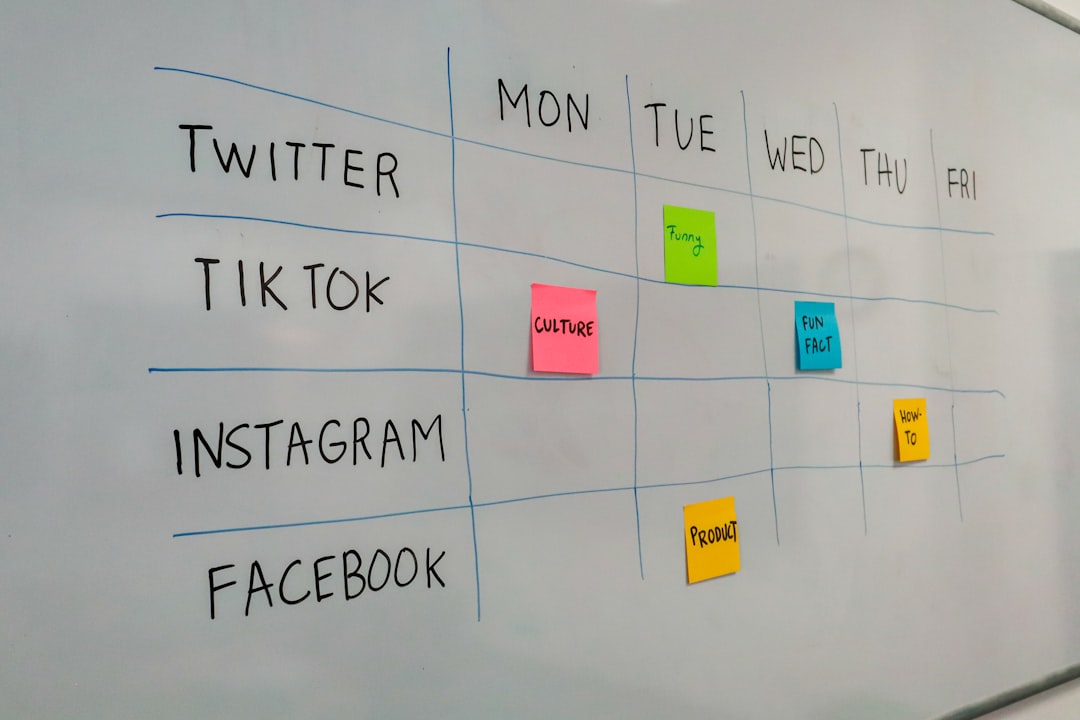
The most effective Bluesky content calendars in 2026 are built around content pillars — three to five consistent topic categories that define your account’s identity. For example, a marketing-focused account might run: strategy tips, tool reviews, industry news reactions, and personal story threads. Each week’s schedule pulls from these pillars in a predictable rotation that keeps content varied without requiring constant creative reinvention.
Start with a simple four-week template: week one builds awareness (educational content), week two drives engagement (opinion and debate posts), week three converts (direct value offers or CTA threads), and week four experiments (test a new format, topic, or time slot). Review at the end of the month, then iterate. Over three to four months, this process produces a data-backed content strategy that’s uniquely tuned to your specific audience on Bluesky.
For more inspiration on building a content engine for Bluesky, explore our resources on AI tools that boost your online presence — many of which integrate directly with your scheduling workflow to generate, optimize, and distribute content faster than manual processes allow.
Conclusion
Scheduling posts on Bluesky in 2026 is no longer optional for creators and brands serious about their presence on the platform. With tools like Buffer, Schedulala, Sprout Social, and Typefully available at every price point, the only remaining question is strategy. Post consistently, batch your content creation, analyze your results weekly, and pair your scheduling with active audience engagement. The combination of smart timing and genuine community interaction is what separates stagnant accounts from ones that compound their growth week after week.
Keep your social posting on track
If you are scheduling content across several networks, Timalio lets you plan and publish posts to Bluesky, LinkedIn, Mastodon and other networks from one calendar. Focused on Bluesky specifically? BskyGrowth helps you grow your account there.